


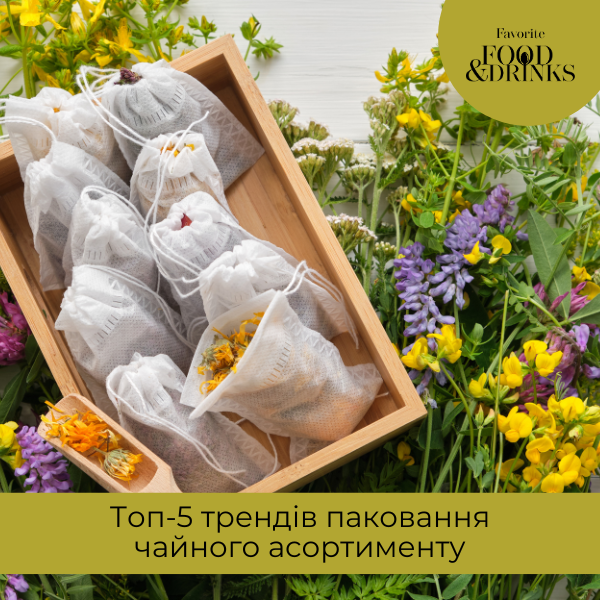
The market for tea and tea products has long been fiercely competitive in many countries around the world. Numerous producers used to offer a variety of tea products: traditional black, green and herbal teas. With the change in the culture of consumption, the modern assortment has significantly expanded from new types of tea, such as matcha, to tea drinks, in which tea is the main raw material with the addition of citrus fruits, berries, superfoods, spices and even mushrooms. Moreover, the materials, design and capacity of packaging for these types of drinks vary depending on the intended use.
The tea packaging market size was valued at USD 5.73 billion in 2023 and is projected to reach USD 5.99 billion in 2024. By 2032, the market is expected to reach USD 8.94 billion, with a compound annual growth rate of 5.12% during the forecast period (according to Tea Packaging Market Share, Current Trends, Key Players and Geographical Overview 2032).
Let's take a look at the top 5 trends in tea packaging that will increase sales and strengthen consumer loyalty.
Trend 1 - Sustainability
Depending on the type, grade, premiumity of tea, purpose and goals, producers typically use plastic, paper and cardboard, metal and other materials for packaging. The growing need for environmentally friendly packaging solutions is driving the use of paper and cardboard packaging materials. Paper and paperboard account for the largest share of the tea packaging market as consumers seek environmentally friendly and biodegradable packaging materials.
Due to the growing demand for sustainable packaging, recyclable materials are becoming increasingly popular. Manufacturers are looking for new ways to reduce their environmental footprint, which indirectly helps to strengthen their competitive position.
Primary packaging materials remain popular due to the growing need to extend product life. This is particularly important for ready-to-drink tea drinks, which are intended to be consumed as a healthy food.
The trend towards eco-friendly consumption and healthy eating is only growing from year to year, forcing manufacturers to meet it as much as possible and implement measures aimed at taking care of the environment. This is a must-have that is no less important than the quality of raw materials, finished products, etc. The introduction of extended producer responsibility will help reduce environmental pollution.
If producers use cost-effective technologies that reduce their environmental footprint (reduced use of water, electricity, reduced CO2), apply the principles of ethical production (no child labour, made by women), then it is worth putting the appropriate labelling on the packaging. This will attract the attention of consumers with a relevant request.
We would like to emphasise that the largest share of consumers are millennials and Generation Z, who now make up ~65% of the world's population and for whom the issue of food production compliance with the principles of sustainable development is a priority.

Wooden packaging for tea.
60% European consumers find a product with a "low carbon footprint" attractive.
Trend 2 - healthy eating
This trend has been influenced by the modern accelerated pace of life, increasing levels of stress, chronic diseases, environmental degradation (especially in large cities), industrial areas, etc., which necessitates the provision of inclusive and functional drinks that help to restore the body, overcome diseases, etc.
Today's consumers are interested in beverages that can not only satisfy their thirst, but also provide benefits and address their specific needs. Consumers prefer beverages that offer multiple health benefits through the use of familiar ingredients such as tea, other botanicals with a high nutrient content, such as various berries, exotic mangoes, guarana, aloe, spinach, goji berries, chlorophyll, stevia, etc.
Tea has long been renowned for its health benefits, and the right packaging design can play a key role in informing consumers about its properties and benefits.
The task of packaging is not only to preserve the nutritional properties of the ingredients in tea drinks, but also to attract consumers' attention with attractive design and appropriate labelling that convey the meanings intended by the manufacturer and ease of use.
Labels or images on the packaging should inform consumers about the potential health benefits associated with tea, such as antioxidant properties, digestive support, relaxation or focus and alertness. By providing such information in the packaging design, producers help consumers make informed choices in line with their health goals and encourage them to incorporate tea into their daily diet.
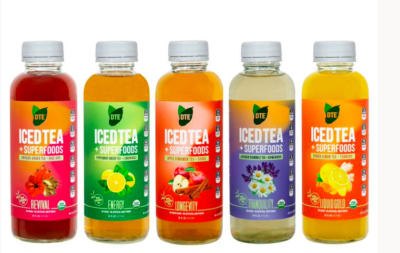
Functional tea drinks
Having clear and concise brewing instructions, such as water temperature, brewing time and recommended tea to water ratio, on the packaging provides consumers with the knowledge they need to get the best flavours and aromas from their tea, ensuring a great tea drinking experience.
Packaging materials for these types of beverages are most often cardboard and paper for dry products and glass, durable plastic, and metal for liquid products. The volume of packaging for liquid products is usually designed for 1 serving (0.2-0.33 litres), as the product must be consumed after opening and not left for several hours.
Manufacturers should pay special attention to the composition of the product, which can serve as a source of competitive advantage (through clean labels) and the content of health claims, which will help position products and strengthen their competitiveness.
62% consumers globally, I pay attention to clean labels (clean labels) and benefit statements (health claims) on the label when they choose and buy the product.
Trend 3 - ready-to-drink beverages (Ready–to–Drink, RTD)
The culture of food consumption in general and drinks and tea in particular has changed. While people used to gather around the table to eat, now more and more consumption is taking place on the go, due to changes in mobility and more flexible working hours. Consumers are looking for quick and affordable ways to get nutritious food sources, including through drinks. The tea market is experiencing a new heyday. From loose and packaged tea to ready-to-drink tea beverages, whose nutritional benefits are enhanced by healthy ingredients and unique variations on traditional drinks such as bubble tea and chai, tea beverages are ready to drink.
More and more companies are investing in online presence and digital sales channels. The popularity of vending is growing. RTD beverage packaging should be durable, lightweight, attractive and easy to use with an attractive design. Typically, these are glass and plastic bottles of 0.2-0.35 litres and metal cans of 0.3 litres. Sometimes, beverage packages include drinking tubes (plastic or cardboard).
Please note that the younger generation spends a lot of time on social media and often posts their lifestyle on it. If the appearance of the packaging is attractive and the messages depicted on it correspond to the values of the consumer, the likelihood that such a drink will be captured and published increases, which in turn will serve as free advertising for the manufacturer.
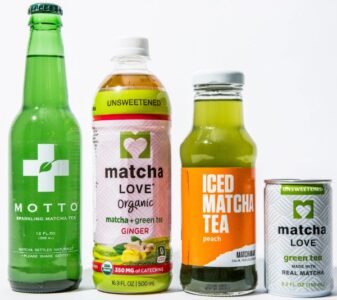
A range of drinks from the match in the format RTD.
Trend 4 - gifts and souvenirs
Food products are popular demanded, useful and memorable gifts, complements, souvenirs brought from abroad, customised, branded corporate gifts. One of the most popular and versatile gifts is tea, tea and herbal mixtures.
The presentation of origin and authenticity in packaging design provides an opportunity to demonstrate the origin of tea and tea raw materials, emphasising its authenticity and cultural significance. Using images, graphics or labels, tea packaging can highlight the specific region or country where the tea comes from. This information not only increases the attractiveness of the organoleptic characteristics of tea, but also gives it additional values and meanings.
The meaning of such gifts is the ability to satisfy different tastes through unique design, packaging and combinations of varieties, compliance with healthy eating trends, tourist attraction, local affiliation and uniqueness, hospitality traditions, ceremonies and rituals. Let us recall the Carpathian or Polissya flavours, tea collections of Ceylon, Chinese oolong, English 5 o'clock tea.
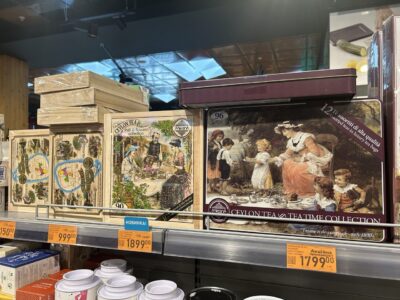
Gift sets of tea.
Displaying awards won in local or international tasting competitions will not only have a favourable impact on product positioning, distinguishing it from competitors' products, but also enhance value, confirm the premium nature of the product and emphasise privilege.
Depending on the type and positioning, tea and tea blends can be packaged in bags, sticks, sachets, metal cans and containers, cardboard boxes, tubes, wooden boxes, etc. Packaged teas hold the largest market share as they are associated with several advantages, such as sufficient durability and affordability.
Trend 5 - artificial intelligence
In the beverage industry, artificial intelligence (AI) is being used to understand consumer behaviour and user experience; develop more accurate consumption forecasts and engage with consumers more deeply and improve their experience with brands across both online and offline channels.
Last year, a limited batch of AI-powered tea drinks, namely ChatGPT, went on sale in the Migros chain in Switzerland. The team developing the tea drink established criteria for the future ViviNova drink, which should have health benefits, and received not only a description of the possible drink but also a packaging design from AI, which was placed on the label of the glass bottle and the surface of the metal can.
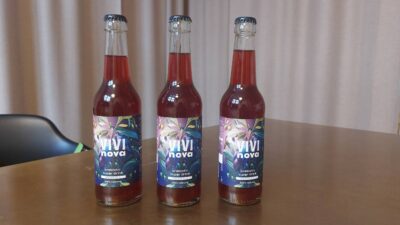
ViviNova tea drink developed with the help of AI
To sum up, packaging is an important source of information that helps consumers to learn not only about the optimal tea brewing technique, but also to get positive impressions and emotions from its consumption.
The packaging design should use such styles of description language, images, diagrams and pictures, colours that will describe not only the organoleptic characteristics of tea or a tea drink, such as its astringency, strength and floral, fruity, earthy aroma, but also intangible senses. The information provided by the manufacturer on the packaging allows consumers to make an informed choice based on their own taste preferences, satisfy their needs and, as a result, increase their brand loyalty.
Author: Olpena Sinitsyna, PhD, founder of Favorite Food&drins, Food Industry Solutions