


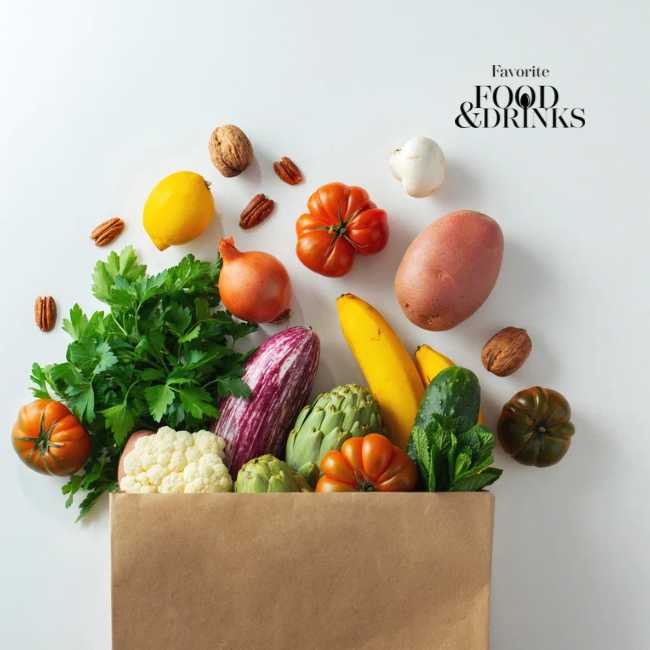
Fresh fruit and vegetables are available for consumption all year round. Producers use edible waxes to extend their shelf life. Consumers are advised to pay attention to the information before buying fruit and vegetables, as food waxes must be indicated on the labelling of these products.
🇪🇺 In the European Union, certain edible waxes are permitted to be used, which are classified as food additives and have E-numbers according to Regulation (EC) No 1333/2008 on food additives.
🇺🇦 In Ukraine, the Law of Ukraine "On Information for Consumers on Food Products" stipulates that information on food products must contain, in particular, information on the use of food additives, flavourings, auxiliary materials, etc. in the production or preparation of food products, including waxes used to coat fruits and vegetables.
🔎 How to understand what kind of wax is applied? By marking:
✔️ E901 - beeswax (white or yellow), animal origin, used to coat fruits, nuts, sweets. May cause allergic reactions;
✔️ E903 is a carnauba wax of vegetable origin (from the leaves of the Copernicia prunifera palm tree) used for coating citrus fruits, apples, pears, melons, mangoes;
✔️ E902 - Candelilla wax, of vegetable origin (from the candelilla bush), is used less frequently, mainly in confectionery, sometimes for fruit;
✔️ E904 - shellac, animal origin (from lacquer insects), used for glazing citrus fruits, apples, tropical fruits;
✔️ E914 is an oxidised polyethylene wax, synthetic, used mainly for coating citrus and bananas.
🙏 Be careful, consciously choose food products, including fresh vegetables and fruits, and carefully read the full information about the product, which must be indicated by the manufacturer (seller), - say the experts of the State Service of Ukraine for Food Safety and Consumer Protection.