


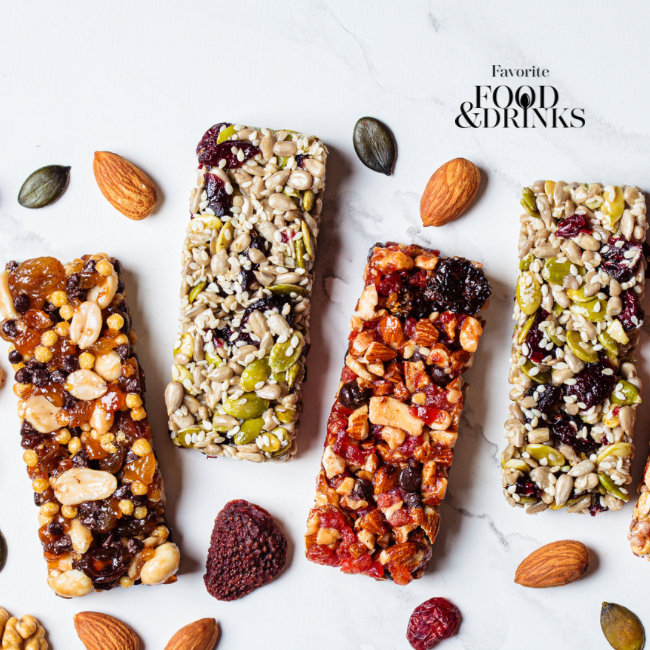
Organic snacks are made from ingredients grown without synthetic pesticides, chemical fertilisers, genetically modified organisms (GMOs) or artificial preservatives. They often contain whole grains, nuts, seeds, fruits and natural sweeteners such as honey or maple syrup.
In today's fast-paced world, consumers are reaching for snacks that nourish the body without sacrificing taste, and organic snacks are leading the way. Made from pure ingredients with no chemicals or artificial additives, organic snacks offer not only guilt-free satisfaction, but also meet sustainability and health goals.

Why it matters:
- Health-conscious choices: Growing nutrition awareness is driving demand for snacks rich in fibre, protein and essential nutrients.
- Environmental friendliness: Organic farming methods reduce the use of pesticides, protect soil health and promote biodiversity. - Allergen-free options: Many organic snacks meet the requirements of gluten-free, vegan and non-GMO lifestyles.
Cross category:
- Sets for takeaway: Ideal for busy professionals, students and travellers.
- Children's lunch boxes: Nutritious alternatives to conventional processed snacks.
- Sports and fitness food: Energy bars, trail mixes and protein snacks for an active lifestyle.
- Corporate wellness programmes: Having organic snacks in the office pantry increases employee satisfaction and productivity.
Organic farming supports biodiversity, soil regeneration and reduces water pollution, making it a climate-friendly choice in the snack industry.
As consumer confidence in clean labels grows, the organic snack market is not just a trend, but a standard.
Source: Food Processing and Safety Update